How to Reduce Hidden Toxins and Take Control of Your Home
Most people assume their home is a safe space. Clean counters, fresh-smelling rooms, and neatly organized cabinets give the impression of health and order. What often goes unnoticed is what’s inside the products being used every day. Many household and personal care items contain hidden toxins that can quietly impact your air quality, skin, and long-term wellness.
Toxic-free living is not about fear or perfection. It is about awareness, control, and making better choices without turning your life upside down. When done right, it becomes simple, practical, and sustainable.
What “Toxic Free Living” Really Means
Toxic-free living does not mean eliminating every chemical. That is unrealistic. Instead, it means reducing unnecessary exposure to harmful substances found in everyday products.
Many common items contain ingredients that are:
- Irritating to the skin or lungs
- Disruptive to hormones
- Linked to long-term health concerns
- Hidden behind vague labeling like “fragrance”
The goal is not to create stress. The goal is to replace what you can with safer alternatives and build a healthier environment over time.
Where Hidden Toxins Are Found
Most toxins in the home come from everyday products people use without thinking twice.
Cleaning Products
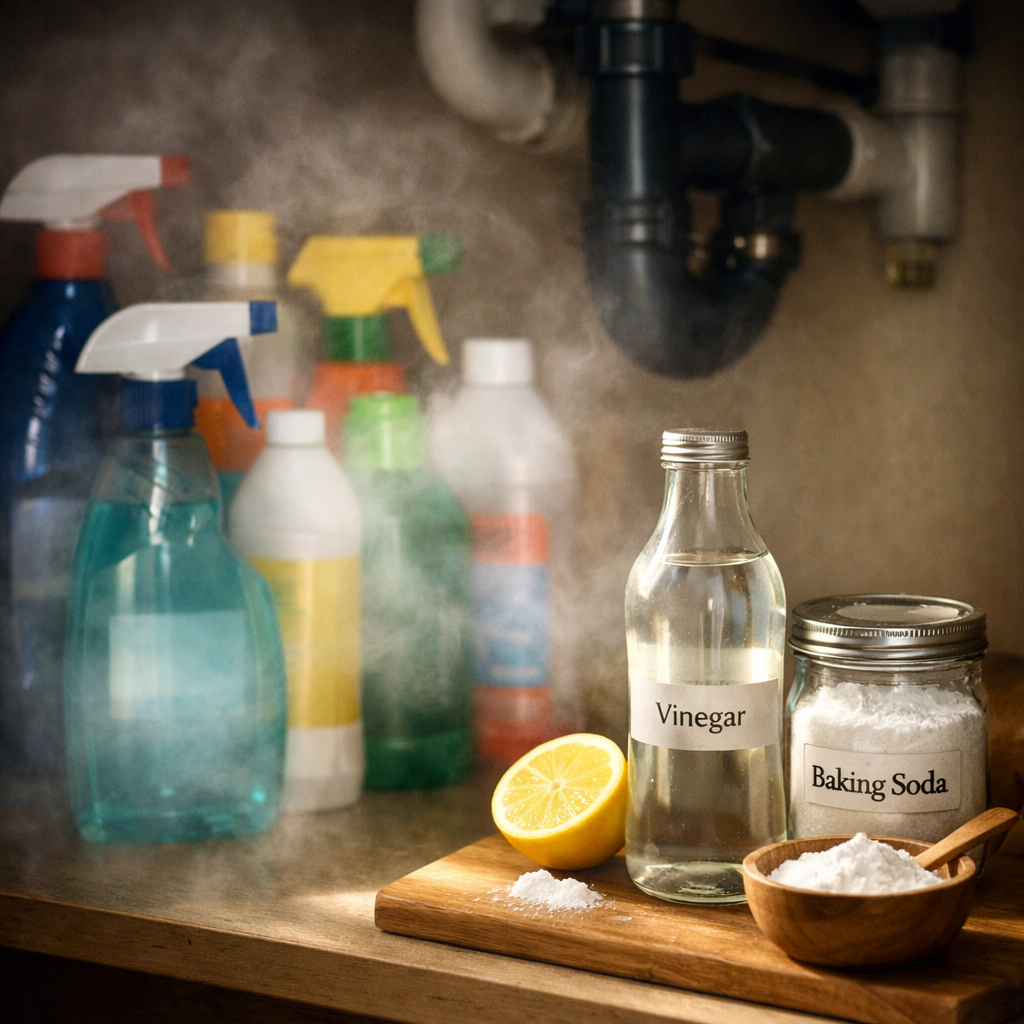
Many surface cleaners, disinfectants, and sprays contain harsh chemicals like ammonia and synthetic fragrances. These can linger in the air and contribute to breathing issues or irritation.
Personal Care Items
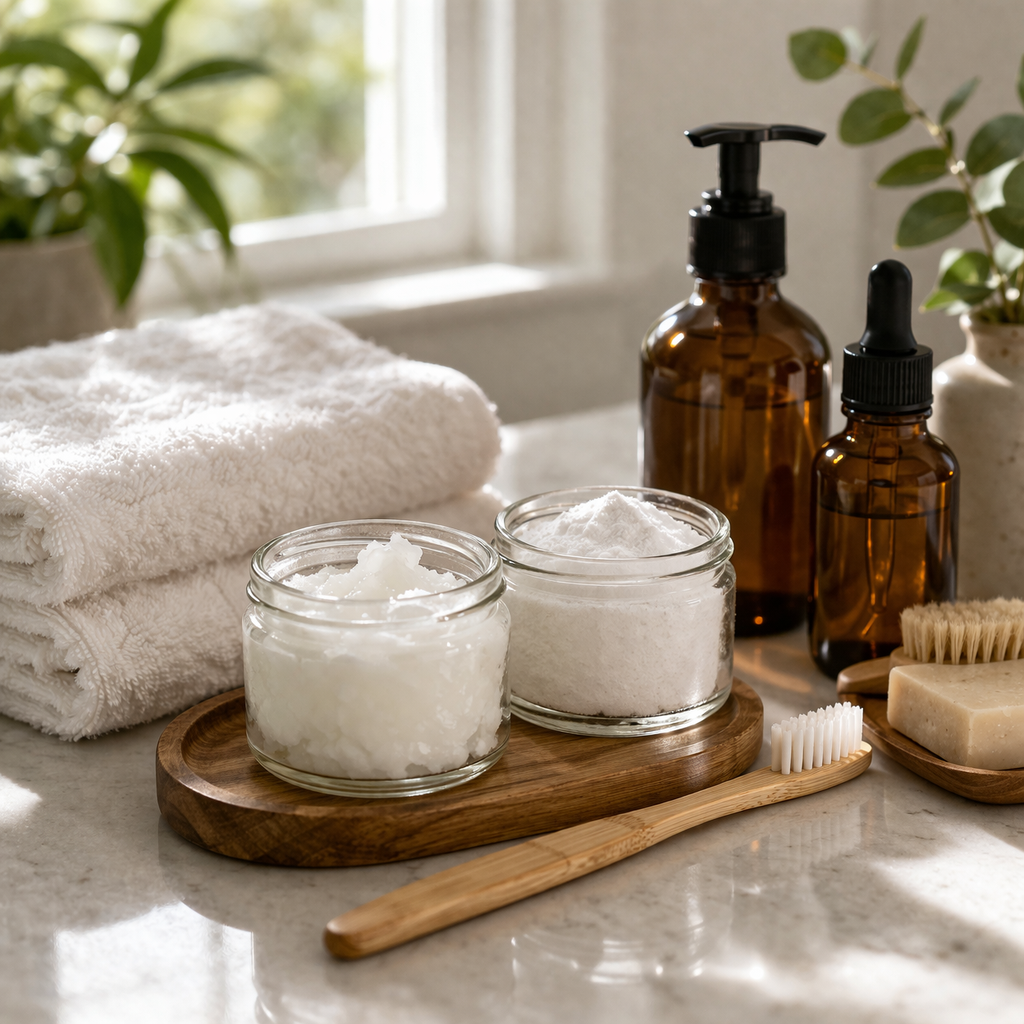
Shampoo, lotion, deodorant, and toothpaste often contain parabens, sulfates, and artificial additives. These are absorbed through your skin daily.
Air Fresheners
Plug-ins, sprays, and scented candles often release chemicals into the air. They mask odors rather than eliminate them and can affect indoor air quality.
Laundry Products
Detergents and fabric softeners frequently contain dyes and fragrances that stay in your clothes and come into contact with your skin all day.
Why It Matters More Than You Think
Exposure to small amounts of chemicals may not seem like a big deal. The issue is cumulative exposure over time.
When multiple products are used daily, the total load increases. This can lead to:
- Skin irritation or sensitivity
- Headaches or fatigue
- Respiratory discomfort
- Long-term health concerns
Reducing exposure helps your body function without unnecessary stress. Many people report clearer skin, better breathing, and improved overall comfort after making simple changes.
The Simple Approach to Going Toxic-Free
You do not need to throw everything out at once. The most effective method is to simplify the process.
Step 1: Identify What You Use Daily
Focus on high-use products first. These have the biggest impact.
Start with:
- All-purpose cleaners
- Body wash or soap
- Laundry detergent
- Air fresheners
Step 2: Replace One Category at a Time
Avoid overwhelm by making one change at a time. Replace your cleaner first, then move to personal care, and so on.
Step 3: Choose Simple Ingredients
The best solutions are often the simplest.
Common non-toxic ingredients include:
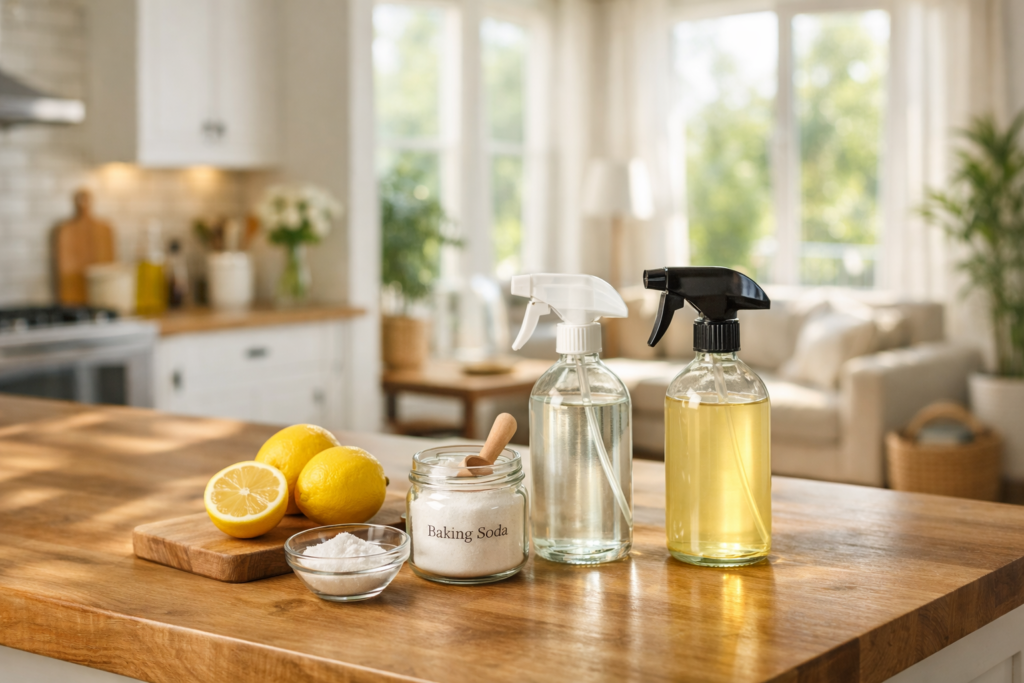
- Vinegar
- Baking soda
- Castile soap
- Coconut oil
- Lemon
These are effective, affordable, and easy to find.
Step 4: Build a Routine
Consistency matters more than perfection. Once you switch, keep using your safer alternatives so it becomes second nature.
Easy Toxic-Free Swaps That Work
You do not need complicated recipes. Start with these practical replacements.
Swap 1: All-Purpose Cleaner
Replace chemical sprays with a mix of vinegar and water. It cuts grease, removes grime, and leaves surfaces clean without residue.
Swap 2: Body Wash
Use a plant-based soap like castile soap combined with a small amount of natural oil. It cleans without stripping your skin.
Swap 3: Air Freshener
Instead of masking odors, eliminate them. Use baking soda or a simple water and essential oil spray.
Swap 4: Laundry Detergent
Choose a fragrance-free, simple formula or create your own using baking soda and mild soap.
Swap 5: Deodorant
Switch to a natural blend that neutralizes odor instead of blocking sweat with synthetic compounds.

Making Confident Choices Without Confusion
One of the biggest challenges is knowing what to trust. Labels can be misleading, and marketing often focuses on appearance rather than substance.
Here is how to stay clear and confident:
- Read ingredient lists instead of relying on front labels
- Avoid vague terms like “fragrance” or “parfum”
- Look for shorter ingredient lists
- Stick with products you understand
If you cannot easily identify what is in a product, it may not be the best choice.
Removing Stress From the Process
Many people avoid making changes because they think it will be complicated or expensive. It does not have to be.
Toxic-free living works best when it is:
- Simple – easy to follow and repeat
- Affordable – using low-cost ingredients
- Flexible – adapting to your lifestyle
- Gradual – no pressure to do everything at once
The goal is to improve your environment, not create pressure.
What to Expect After Switching
When you begin reducing toxins, the changes are often noticeable.
People commonly experience:
- Less skin irritation
- Fewer strong odors in the home
- Improved comfort breathing indoors
- A cleaner, more natural environment
These changes build over time as more products are replaced.
The Long-Term Benefits
Toxic-free living is not just about immediate results. It is about long-term impact.
Over time, you:
- Reduce chemical exposure
- Improve indoor air quality
- Create a safer environment for your family
- Lower your reliance on processed products
It also builds awareness. You become more intentional with what you bring into your home.
Final Thoughts
Toxic-Free Living Made Simple is exactly that. It is not about drastic change or complicated systems. It is about making better choices, one step at a time.
Start with what you use most. Replace it with a safer option. Keep going at your own pace.
You do not need to overhaul your life overnight to see results. With a few simple changes, you can reduce hidden toxins, improve your daily environment, and feel more confident about the products you use every day.