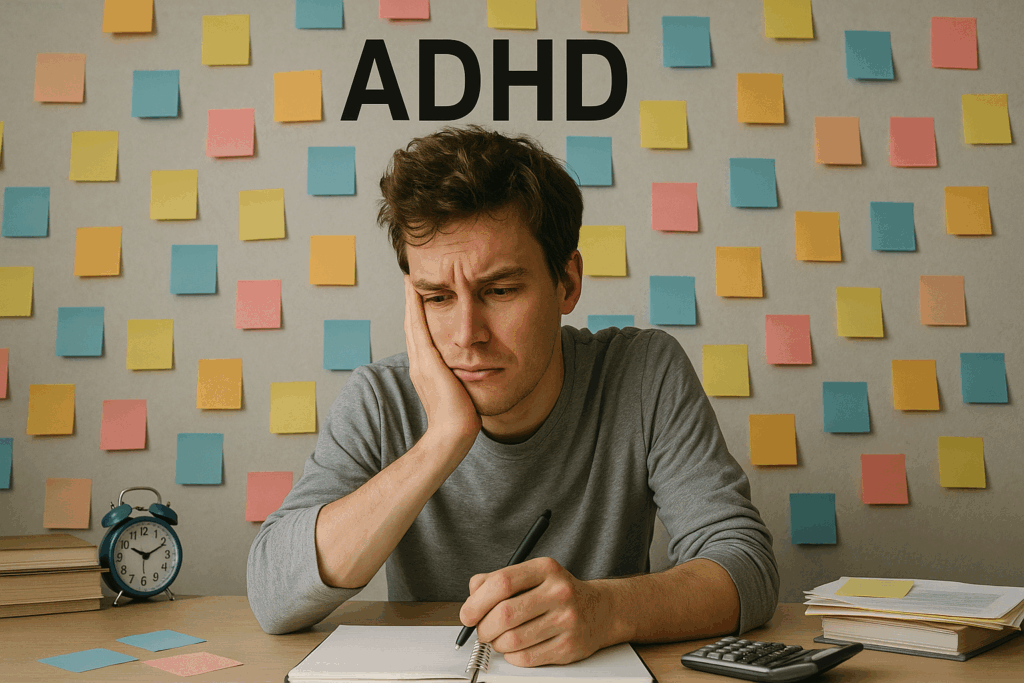
If you’re searching for how to heal ADHD naturally, you’re not alone.
In this post, we’ll explore seven strategies that help heal ADHD naturally by targeting root causes like gut health, nutrition, and detox.
ADHD isn’t just about brain chemistry. It’s a whole-body imbalance—a complex interplay between your gut, immune system, nervous system, hormones, and environment. If you or your child has been told that ADHD is purely genetic or that medication is the only path forward, it’s time for a bigger perspective.
You can’t medicate your way out of a system-level imbalance. But you can heal it.
In this post, we’ll break down 7 science-supported root causes of ADHD and give you natural, actionable strategies to address them—so you can stop masking symptoms and start healing from the inside out.
Gut-Brain Axis Imbalance
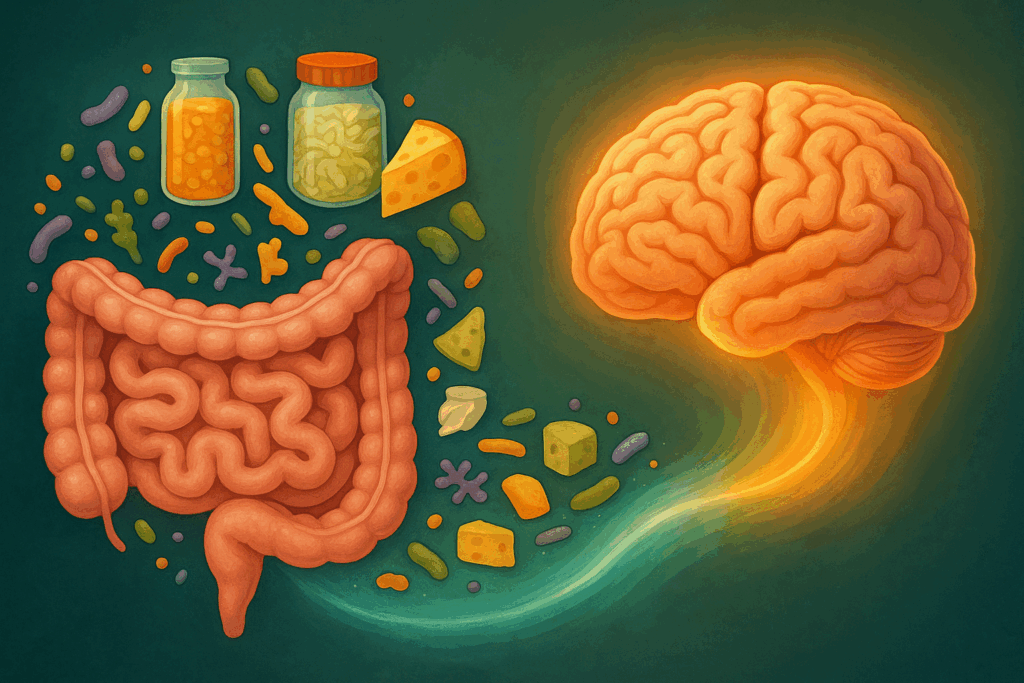
The gut isn’t just where digestion happens—it’s a second brain that communicates directly with your central nervous system. Over 90% of serotonin is produced in the gut, and gut microbes also influence dopamine—two neurotransmitters critical for focus and emotional regulation. Healing your gut is one of the most powerful ways to heal ADHD naturally.
Common gut disruptors:
Processed foods
Artificial dyes/preservatives (e.g. Red 40, sodium benzoate)
Chronic stress
Antibiotics
Gluten, dairy, soy (for sensitive individuals)
Symptoms of gut-brain disruption:
Brain fog
Mood swings
Food sensitivities
Cyclical hyperactivity or shutdowns
How to Heal It:
Try a 30-day elimination of gluten, dairy, soy, and artificial ingredients
Add probiotics and fermented foods
Use L-glutamine, collagen, or zinc carnosine to repair gut lining
Consider testing for leaky gut or candida overgrowth
Healing your gut is one of the most powerful ways to heal ADHD naturally.
Nutrient Deficiencies and Food Sensitivities
ADHD is often a brain in crisis, not a brain that’s broken. In many cases, the brain is simply undernourished due to poor absorption, high inflammation, or depleted reserves from chronic stress. Correcting key deficiencies is essential if you want to heal ADHD naturally without medication.
Nutrients commonly deficient in ADHD:
Omega-3s (EPA/DHA) – essential for neuron stability and calm mood
Magnesium – supports focus, reduces anxiety, eases hyperactivity
Zinc – key for dopamine production and behavior regulation
Iron – linked to improved attention span
B-vitamins (B6, B12, folate) – needed for detox and neurotransmitter synthesis
Vitamin D – modulates inflammation and cognitive performance
What You Can Do:
Start with a high-quality fish oil supplement with at least 500–1000mg EPA
Consider a professional multivitamin with activated B-vitamins and chelated minerals
Test for deficiencies via hair analysis or blood panels before supplementing
Note: Always work with a functional health practitioner to avoid over-supplementation.

Toxic Load and Environmental Stressors
We live in an increasingly toxic world. Over 80,000 chemicals circulate in our food, water, air, and personal care products—and many are unregulated and untested for long-term brain effects.
High-risk toxins that impact ADHD:
Heavy metals: lead, mercury, aluminum
Flame retardants in furniture
Pesticides on non-organic produce
Phthalates and parabens in cosmetics and plastics
Synthetic fragrances in candles, air fresheners, and cleaning products
Detox Strategies to Heal ADHD Naturally:
Switch to fragrance-free, non-toxic household products
Use a HEPA air purifier in sleeping areas
Eat organic when possible (especially the EWG “Dirty Dozen”)
Drink filtered water (reverse osmosis if possible)
Support detox with nutrients like glutathione, NAC, and milk thistle
Kids and adults with ADHD tend to have a harder time detoxing, making environmental clean-up critical.

Sleep Deprivation and Circadian Disruption
Sleep is when the brain detoxifies, resets, and repairs. Without it, emotional regulation crashes, memory fails, and attention disappears.
ADHD-related sleep blockers:
Late-night screen exposure (blue light)
High cortisol at bedtime
Sugar or caffeine in the evening
Sleep apnea (often missed in kids)
ADHD medications disrupting REM cycles
How to Improve Sleep Naturally:
Block blue light with glasses or screen filters after 7 PM
Use magnesium glycinate and L-theanine at night
Try calming essential oils like lavender or vetiver
Build a consistent wind-down routine: no screens 1 hour before bed, warm bath, story or quiet time
Fixing sleep can reduce ADHD symptoms by 30% or more in many children and adults.

Nervous System Dysregulation
Many individuals with ADHD live in a chronic fight-or-flight state. Their sympathetic nervous system (the gas pedal) is always activated, while their parasympathetic system (the brakes) barely works.
Causes:
Birth trauma or early childhood stress
Emotional neglect or overwhelm
Overexposure to screens and noise
Poor vagus nerve tone
Regulation Tools:
Breathwork (box breathing, 4-7-8 method)
Cold exposure (cold showers, face dunking)
Grounding techniques (barefoot outdoors, touch therapy)
Bilateral stimulation (cross-body movements, tapping)
Vagus nerve stimulation (gargling, humming, singing)
This is one of the most overlooked root causes—yet one of the most transformative when addressed consistently.
Hormonal Fluctuations and ADHD in Women
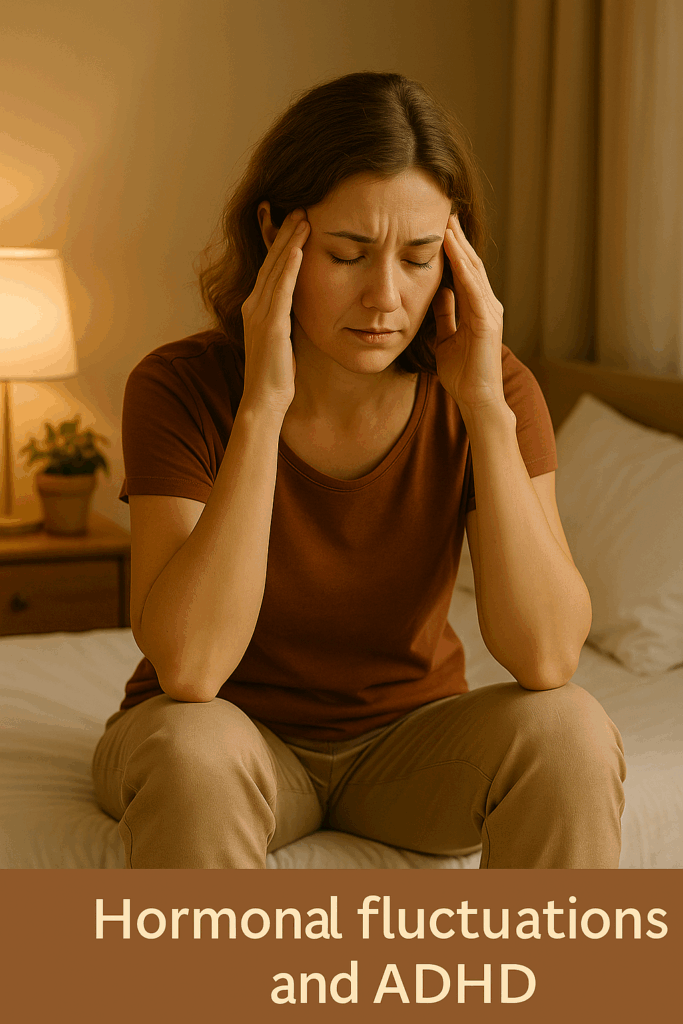
ADHD in women is often worsened by hormonal cycles. Estrogen enhances dopamine and serotonin, so when estrogen drops (before periods or in perimenopause), ADHD symptoms spike.
Clues It’s Hormone-Driven:
Worsening ADHD symptoms during PMS or ovulation
Brain fog, anxiety, and fatigue tied to cycle
Symptoms that appeared or worsened during puberty, postpartum, or perimenopause
Natural Hormonal Support:
Seed cycling to balance estrogen and progesterone
Chasteberry, DIM, or maca root (only under guidance)
Stress and blood sugar management to stabilize hormonal output
Cycle tracking to adjust workload and social expectations
This hormonal connection is rarely addressed in traditional ADHD models—but it’s crucial for long-term healing, especially for adult women.

Emotional Suppression and Unprocessed Trauma
Sometimes, what looks like ADHD is actually a nervous system adaptation to trauma. Chronic stress, lack of safety, or disconnection from caregivers in early life rewires the brain to be hypervigilant, reactive, and distractible.
Signs Trauma May Be Underlying ADHD:
Strong reactions to criticism or pressure
Difficulty with transitions or unpredictability
Black-and-white thinking
Sensory overwhelm or meltdowns
Feeling “not good enough” no matter what
Tools for Emotional Healing:
Somatic therapy (focuses on body-stored trauma)
Safe co-regulation with emotionally attuned adults
EMDR or brainspotting (for deeper processing)
Art, music, and movement therapy
Healing ADHD naturally means creating an internal state of safety and self-trust—especially when trauma is part of the picture.

The Truth: ADHD Isn’t Just in Your Head—It’s in Your Body, Environment, and History
Most traditional treatments focus only on brain chemistry—but the research is clear: ADHD is driven by multiple interconnected systems. When you target those root imbalances, healing happens naturally.
ADHD is not a disease to suppress. It’s a signal to decode.
You or your child are not broken. You are likely burdened—by toxins, stress, nutrient gaps, and unprocessed emotion.
Your Next Steps
Healing ADHD naturally takes time, patience, and consistency—but it’s absolutely possible. Small daily shifts in nutrition, sleep, movement, and emotional care can add up to profound changes.
Ready to go deeper?
✅ Join the ADHD/ADD Workshop: [Insert Workshop Link]
📘 Preorder the book: You’re Not Broken—You’re Burdened
📥 Get your FREE ADHD Root Cause Checklist: [Insert Lead Magnet Link]
Final Word
If nothing else, remember this:
ADHD is not a life sentence. It’s a message.
And when you listen to that message with compassion, curiosity, and the right root-cause tools—you can unlock a path to real healing.
Let’s stop masking. Let’s start healing.